Seasonal UK Vehicle Care
The variable British weather demands flexible washing tactics. Read how road grime, temperature changes, and natural fallout dictate practical vehicle maintenance.
The United Kingdom Driving Environment
Unlike more stable climates, British vehicles face harsh changes. Motorway grime shifts from heavy road salt coatings to thick layers of summer insects. This constant shift requires specific maintenance choices.
Road Gritting & Under-Chassis Corrosion
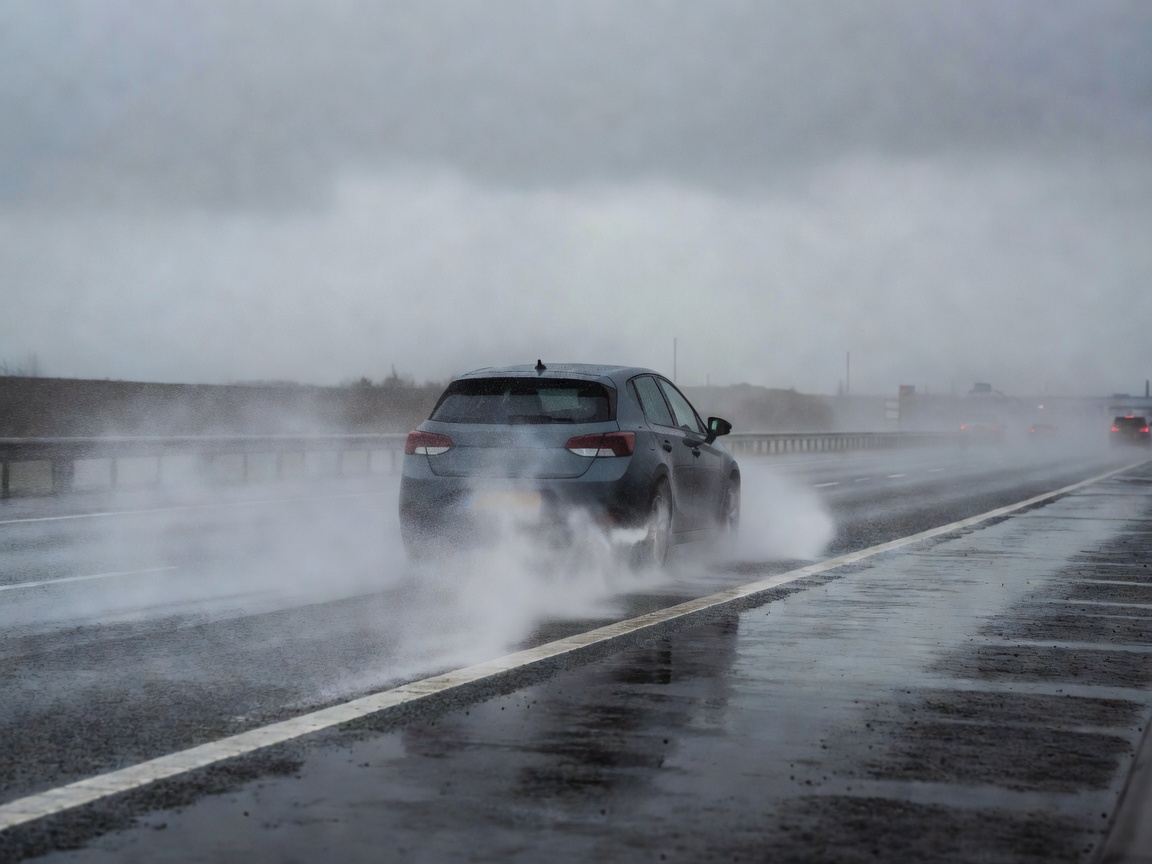
High concentrations of rock salt (sodium chloride) are sprayed onto frozen surfaces. Under motorway speeds, this salt aerosolizes and coats the entire under-body, wheel arches, and suspension brackets. Left unchecked, salt traps moisture, speeding up rust formation on metal substrates. Frequent high-pressure rinsing of arches is highly recommended during cold spells.
Pollen Shells & Organic Fallout
With the return of tree blossoms comes heavy pollen coverage. Yellow pollen powder contains micro-spikes that stick firmly to wax-free clear coat surfaces. When spring rain occurs, the pollen shells swell, releasing acidic compounds that can etch circles into soft paint when heated by early midday sun.
UV Radiation & Baked Insects
Longer daylight hours expose vehicles to strong ultraviolet radiation, which over time breaks down the resins inside standard acrylic car paints, causing color fading. Insect fluids are highly acidic. When insects bake onto bumpers and bonnets under direct sunlight, they can etch into the clear coat in just 48 hours. Applying high-performance ceramic coatings can significantly buffer this exposure.
Fallen Leaves & Heavy Water Stains
Wet leaves decomposing on vehicle panels release natural tannins and humic acids. When left in scuttle panels (beneath wipers), leaves block drainage tubes, which can cause interior cabin water leaks. Hydrophobic paint treatments ensure heavy rainfall slides away cleanly, preventing mineral water marks.